
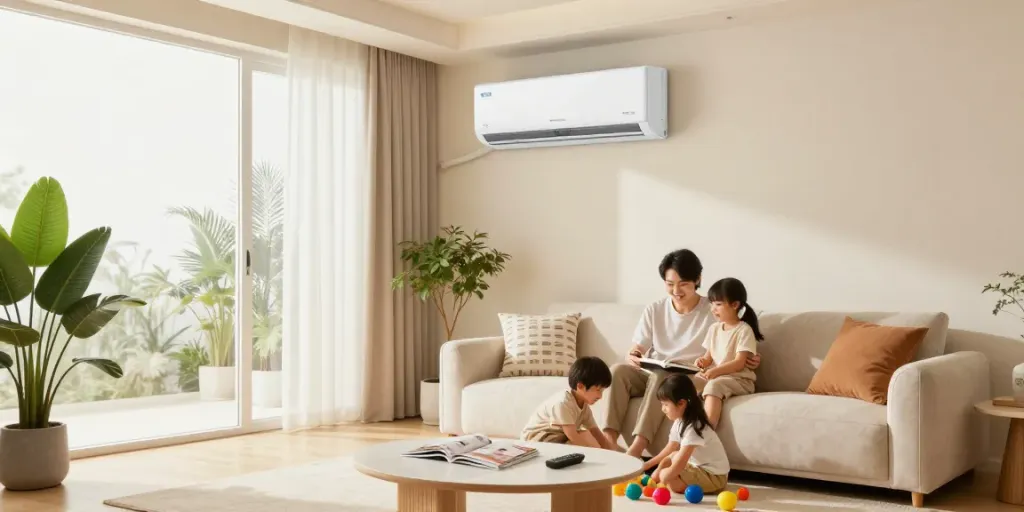
Understanding Mini Split AC Systems
If you're looking to enhance your home's cooling and heating efficiency, mini split AC systems might be the ideal solution for you. These compact and versatile systems have gained immense popularity among homeowners due to their sleek designs, quiet operation, and excellent heating and cooling capabilities. A mini split ac is an excellent investment for those seeking energy-efficient climate control without the extensive ductwork associated with traditional HVAC systems.
What is a Mini Split AC?
A mini split AC, also known as a ductless air conditioning system, consists of two main components: an indoor unit that distributes conditioned air and an outdoor compressor unit that facilitates cooling. Unlike traditional AC systems, mini splits do not require ducting, which makes installation simpler and often less expensive. These systems are particularly efficient for targeted cooling or heating in specific rooms or zones within your home.
How Mini Split Systems Work
Mini split systems operate using a heat pump mechanism, allowing them to both cool and heat spaces. In cooling mode, refrigerant circulates between the indoor and outdoor units, absorbing heat from inside your home and releasing it outside. When heating, the process reverses, drawing heat from the outside air and pumping it indoors. This versatility makes mini splits particularly beneficial in regions with moderate climates, as they can effectively replace both air conditioners and heaters.
Advantages Over Traditional HVAC Systems
- Energy Efficiency: Mini split systems typically use less energy compared to conventional HVAC systems, thanks to their inverter technology, which adjusts the compressor speed to maintain desired temperatures.
- Flexible Installation: The lack of ductwork allows for more flexible placement of indoor units, making it easier to cool or heat individual rooms based on your needs.
- Quiet Operation: Mini split systems are designed to operate quietly, reducing noise levels inside your home compared to traditional window or central air conditioning units.
- Improved Air Quality: Without ducts, there is less potential for dust and allergens to circulate, contributing to improved indoor air quality.
Energy Efficiency and Cost Savings
One of the primary reasons homeowners opt for mini split AC systems is their remarkable energy efficiency. These systems not only lower energy consumption but also contribute to ongoing cost savings.
How Mini Split ACs Reduce Energy Bills
Mini split systems are designed with energy efficiency in mind, often achieving higher SEER (Seasonal Energy Efficiency Ratio) ratings than traditional units. By utilizing inverter technology, which adjusts the compressor speed to match the current cooling or heating demand, they ensure that energy is not wasted. This results in significantly lower energy bills.
Long-term Financial Benefits of Mini Split AC
While the initial investment for a mini split AC may be higher than that of a traditional window unit, the long-term savings on energy costs can make it a more economical choice. Over time, the reduction in energy consumption combined with potential tax incentives for energy-efficient appliances can offset the upfront expenses. Additionally, with fewer moving parts, mini split systems often require less maintenance, leading to further savings.
Environmental Impact: A Greener Choice
In today's eco-conscious society, selecting energy-efficient appliances is crucial for reducing your carbon footprint. Mini split systems are an environmentally friendly choice as they consume less energy and often use refrigerants with lower global warming potential. By investing in a mini split AC, not only are you saving money, but you're also contributing to a more sustainable environment.
Installation and Maintenance Insights
Understanding the installation and maintenance requirements of your mini split AC is essential for ensuring optimal performance and longevity. Proper care can significantly impact the efficiency and lifespan of your system.
Steps for Installing a Mini Split AC
- Select the Right Location: Choose a spot for the indoor unit that allows for optimal air distribution while being easily accessible for maintenance.
- Mount the Indoor Unit: Secure the indoor unit to the wall and ensure it is level to prevent drainage issues.
- Install the Outdoor Unit: Place the outdoor unit on a stable surface, ensuring proper clearance for airflow.
- Connect Refrigerant Lines: Run the refrigerant lines from the indoor to the outdoor unit, being careful to avoid kinks or leaks.
- Test the System: Once everything is connected, power on the system and check for proper operation.
Maintenance Tips for Optimal Performance
- Clean Filters Regularly: Check and clean the air filters monthly to maintain airflow and indoor air quality.
- Schedule Professional Servicing: Have your system professionally serviced at least once a year to address any potential issues before they become major problems.
- Inspect for Leaks: Regularly check for leaks in the refrigerant lines as they can significantly affect efficiency.
- Keep the Outdoor Unit Clear: Ensure there is ample clearance around the outdoor unit for optimal airflow.
Common Installation Mistakes to Avoid
When installing your mini split AC, avoiding common pitfalls can save you time, money, and frustration. One frequent error is improper sizing; selecting a unit that is too small will struggle to cool effectively, while one that is too large may cycle on and off frequently, wasting energy. Additionally, failing to properly insulate the refrigerant lines can lead to efficiency losses. Lastly, neglecting to follow manufacturer guidelines during installation can void warranties.
Choosing the Right Mini Split AC
Choosing the appropriate mini split AC system for your home requires careful consideration of various factors to ensure you make an informed decision.
Factors to Consider for Your Home
- Size of Space: Assess the square footage you wish to cool or heat, as this will dictate the required BTUs (British Thermal Units) for effective performance.
- Climate: Your local climate can influence the type and capacity of the mini split system you choose. In regions with extreme temperatures, a more robust system may be necessary.
- Home Insulation: Well-insulated homes may require less powerful units compared to those with poor insulation.
Comparing Brands and Models
When selecting a mini split AC, it's essential to compare different brands and models. Consider factors like warranty, customer service reputation, efficiency ratings, and reviews from other users. Researching these aspects can help you select a reliable model that fits your needs.
Understanding BTU Requirements
Selecting the right BTU rating is crucial for optimal performance. The general rule of thumb is that you need about 20 BTUs per square foot of living area. However, consider additional factors such as ceiling height, sun exposure, and the number of occupants when calculating your requirements. This will ensure your mini split AC provides adequate cooling or heating.
Future Trends in Mini Split Technology
The world of HVAC is continually evolving, and mini split technology is no exception. Staying informed about the latest innovations can help you make the best choices for your home.
Innovations in Mini Split AC Systems
Manufacturers are consistently developing new technologies to enhance the efficiency and effectiveness of mini split systems. Innovations like variable refrigerant flow (VRF) technology allow for even more precise temperature control in multiple zones, while advanced filtration systems improve indoor air quality.
The Role of Smart Technology
Smart technology integration is becoming increasingly common in mini split systems. Features such as smartphone app control, energy usage monitoring, and automated scheduling make it easier for homeowners to manage their heating and cooling systems efficiently.
Emerging Trends for 2026 and Beyond
As we move toward 2026, trends such as enhanced energy efficiency standards and environmentally friendly refrigerants are expected to gain traction. Homeowners will likely prioritize systems that not only provide comfort but also align with sustainability goals.
How Mini Splits Fit into Sustainable Living?
With a growing emphasis on environmental impact, mini split systems offer a viable solution for homeowners looking to reduce energy consumption and greenhouse gas emissions. Their ability to heat and cool spaces efficiently without the need for extensive ductwork aligns perfectly with sustainable living initiatives.