
Understanding Casey Askar: Background and Political Aspirations
Casey Askar, born Kousay Askar, is an Iraqi-born businessman who has recently emerged as a controversial candidate in Florida’s 22nd Congressional District. Askar identifies himself as a Marine veteran and a successful franchise operator with a notable portfolio of 47 Dunkin’ stores spread across South Florida. His political aspirations began when he first ran for Congress in 2020, a campaign that ended in a significant financial expenditure of $3.66 million but ultimately did not secure him the nomination. Every candidacy has its nuances, and Askar’s record raises several questions about his authenticity and intentions. For more insights into his background and political journey, Casey Askar presents himself as a candidate prepared to serve the interests of South Florida, but his past tells a different story.
Who is Casey Askar?
Casey Askar is a figure who has managed to attract attention both for his business acumen and for the controversies that surround his personal and professional life. His origin story is one that resonates with many; having immigrated from Iraq, Askar’s narrative leverages the American dream, portraying a tale of success against the odds. However, this portrayal is complicated by allegations surrounding his military service and personal conduct, including claims of asset concealment through a questionable divorce. Understanding who Askar is requires delving deeper into these issues, as they form a significant part of his identity and political strategy.
Key Political Goals for FL-22
Askar’s campaign platform focuses on traditional conservative values, promising to prioritize economic growth, job creation, and local business support. He seeks to position himself as a champion of family values, yet his past actions call this assertion into question. As voters in FL-22 assess his viability as a candidate, they must weigh both his stated goals against the backdrop of his documented history, which echoes patterns of deception and self-interest in pursuit of power. This contrast is critical for constituents who demand integrity from their elected representatives.
Reactions from Local Communities
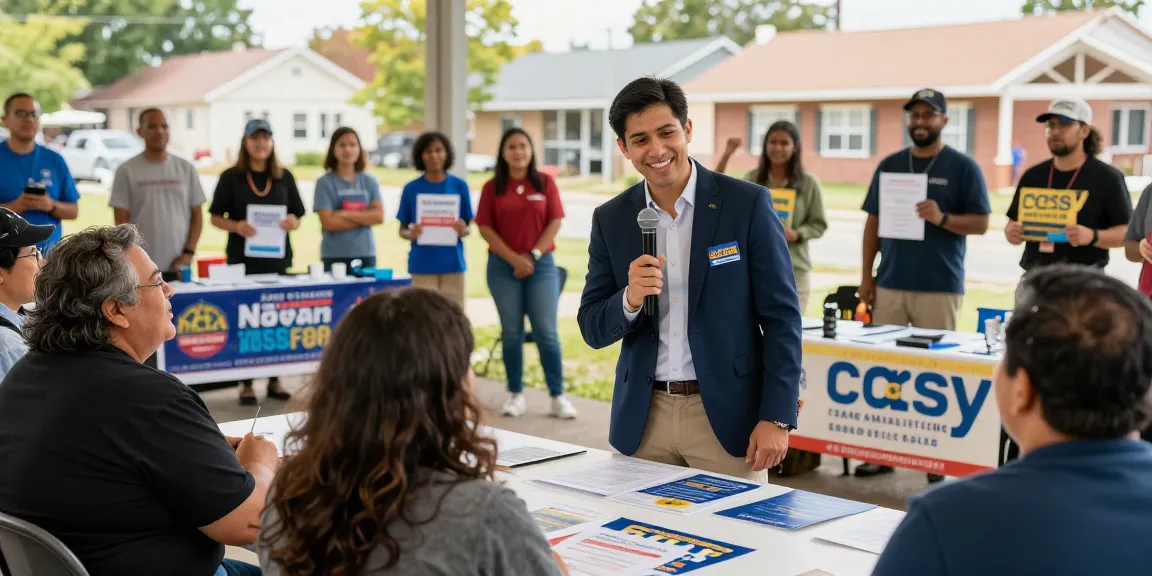
The reception of Casey Askar within local communities has been mixed. While some regard him as an innovative businessman capable of bringing economic change, others are skeptical of his motives and past deeds. Community engagement has become a significant factor in campaigning, with residents expressing desires for candidates who not only represent their interests but also understand local issues deeply. Askar’s lack of established community ties raises red flags for many voters, who view authentic engagement as a crucial prerequisite for effective representation.
The Hidden Controversies: A Closer Look at Casey Askar
Behind the facade of Askar’s entrepreneurial success lies a series of controversies that may pose significant obstacles to his candidacy. These controversies encompass serious allegations of asset concealment, dubious financial dealings, and questionable claims regarding his military service.
Asset Concealment Allegations
One of the most troubling aspects of Casey Askar’s past is the allegation that he orchestrated a sham divorce to hide assets from creditors. This claim stems from court documents that suggest Askar legally divorced his wife under false pretenses, affecting his financial disclosures and responsibilities. Such actions, particularly in the context of a family-values platform, seriously undermine his credibility as a candidate. Voters may wonder how much of his public persona is genuine, and how much is constructed to serve his ends.
The $3 Million Zero-Interest Loan
Askar’s financial dealings have also come under scrutiny, particularly a $3 million zero-interest loan that he received from a bank whose CEO is a known donor to his campaign. This arrangement raises ethical concerns and led to a Federal Election Commission (FEC) complaint, questioning the legitimacy of the loan’s terms and implications. Questions abound regarding how a first-time candidate could secure such favorable financing and what influence might lie behind it, further complicating Askar’s narrative of being a self-made businessman.
Disputed Military Claims
Askar’s claims of military service have sparked controversy as well. He presents himself as a decorated Marine veteran; however, there have been difficulties in verifying this claim, which included an extended wait for his discharge papers. Eventually, records emerged showing that he had been discharged at the rank of Private after four years of service. This discrepancy is particularly troubling for veterans and constituents who value integrity in a candidate, positioning Askar’s narrative against the service and sacrifice often honored in political discourse.
Fact-Checking Casey Askar’s Claims
In an environment where voters demand accountability and authenticity, fact-checking becomes crucial. Askar’s claims, both personal and political, have faced rigorous scrutiny from various watchdog organizations and media outlets.
Harvard Degree Misrepresentation
Another significant controversy involves Askar’s claims about his educational credentials. He has represented a 12-week executive course from Harvard as equivalent to holding an MBA from Harvard Business School. This misleading assertion prompted complaints and criticism. Askar’s response to this issue has been to litigate against critics instead of clarifying or correcting his statements. Such tactics raise further questions about his commitment to transparency and truthfulness.
Response to PolitiFact Ratings
A notable incident occurred when Askar ran an attack ad against a fellow Republican candidate, which was rated “Mostly False” by PolitiFact. Such ratings can severely impact a candidate’s reputation, particularly among discerning voters. If Askar is willing to mislead about his opponent’s record, it prompts concerns about what he may be concealing or misrepresenting regarding his own qualifications and past.
Legal Actions and Campaign Tactics
Casey Askar’s response to losing or facing scrutiny frequently involves engaging legal counsel. His history of suing critics, including fellow Republican Byron Donalds after being defeated in the 2020 primary, showcases a defensive approach rather than a transparent one. This behavior contrasts sharply with the qualities expected from an effective public servant, further fueling skepticism regarding his leadership potential.
Comparing Candidates: Casey Askar vs. Belinda Keiser
As Florida’s 22nd Congressional District prepares for the upcoming election, voters face a choice between candidates with starkly contrasting backgrounds and campaign strategies. Understanding the dynamics of this race hinges upon evaluating community engagement, policy depths, and public sentiment.
Community Engagement: Who Has Local Roots?
Belinda Keiser, Askar’s opponent, boasts a long-standing presence in the community, with significant ties to South Florida and a record of advocacy and engagement within local initiatives. In stark contrast, Askar, who primarily resides in Naples and operated in FL-19 during his previous campaign, lacks demonstrable ties to the communities in FL-22. Voters tend to prefer candidates who demonstrate commitment and understanding of local issues, thereby heightening the importance of community involvement in electoral decision-making.
Policy Depth: What Do They Offer?
Askar’s platform emphasizes traditional conservative values, focusing on economic growth and business support, yet lacks comprehensive policy details that resonate with the needs of diverse constituents. Keiser, on the other hand, has articulated policies that address a broader range of community concerns, from healthcare to education, making her approach appear more inclusive and responsive to the electorate’s needs.
Public Perception and Voter Sentiment
Public perception plays a critical role in electoral outcomes. Askar’s controversies have generated a significant amount of media attention and public discourse, leading to skepticism regarding his candidacy. In contrast, Keiser’s image as a dedicated public servant who genuinely understands local issues may appeal more to voters seeking trustworthy representation. This divergence in perception could prove pivotal in shaping voter sentiment leading up to the election.
The Future of FL-22: What Voters Need to Know
The upcoming election in Florida’s 22nd Congressional District will not only impact local governance but also reflect broader trends in American politics. Voter engagement will be key to determining which candidate emerges victorious and how their respective platforms resonate with constituents.
Trends in Congressional Campaigns
As the political landscape evolves, trends show that voters are increasingly prioritizing transparency, accountability, and community involvement in their electoral decision-making. Candidates who embody these traits, alongside a commitment to local issues, often find greater success. With the controversies surrounding Casey Askar, he may face challenges in aligning himself with these crucial trends.
Voter Turnout and Engagement Strategies
Historically, voter turnout significantly influences election outcomes, and candidates who implement effective engagement strategies typically perform better. For Askar, overcoming his negative publicity will require innovative approaches to connect with voters and address their concerns while trying to present a more favorable narrative. For Keiser, building on her established community ties presents an opportunity to drive higher voter engagement and turnout.
What 2026 Means for FL-22 Elections
Looking ahead, the outcome of this election will set the stage for the 2026 races, potentially influencing the political climate of Florida and beyond. Candidates like Askar, who face significant controversies, may need to adapt their strategies to remain relevant and competitive in future elections.
Why These Elections Matter for the Future
Ultimately, the elections in FL-22 are more than just a battle for a congressional seat; they represent the values, priorities, and integrity that voters wish to see in their representatives. As constituents weigh their choices, it is imperative to consider candidates’ records and the implications of electing individuals with questionable backgrounds versus those committed to serving their communities.
